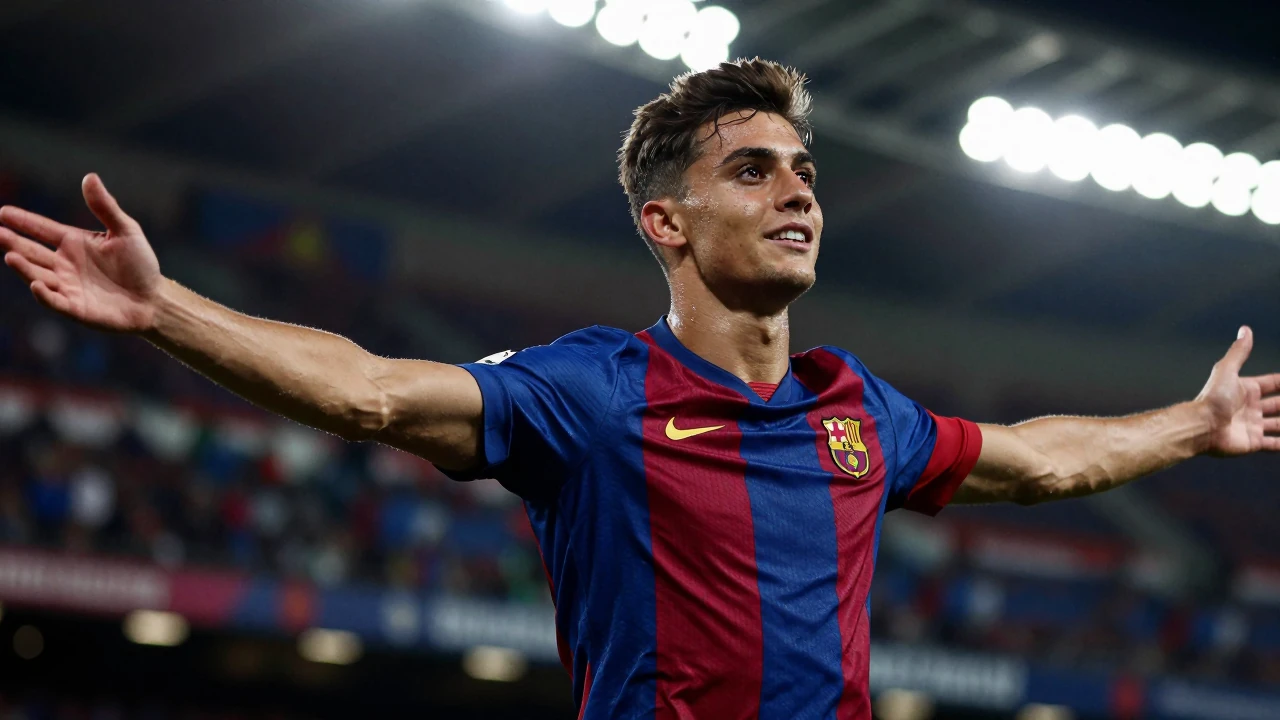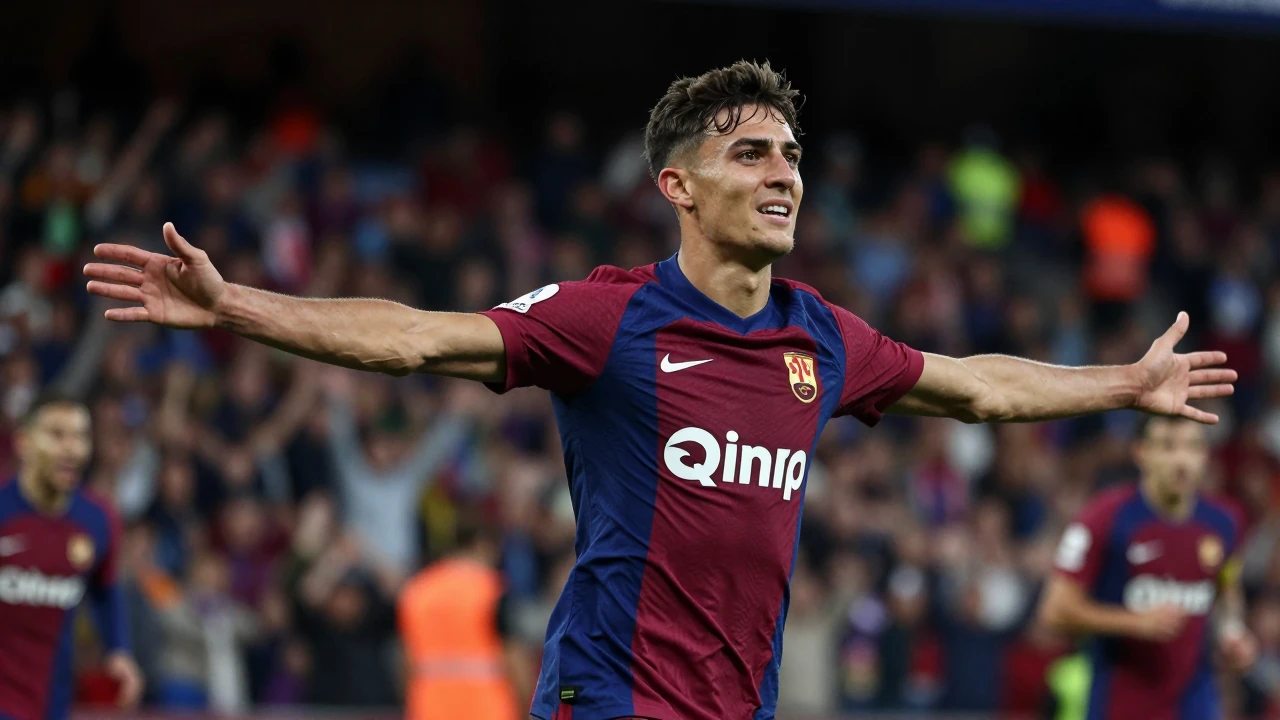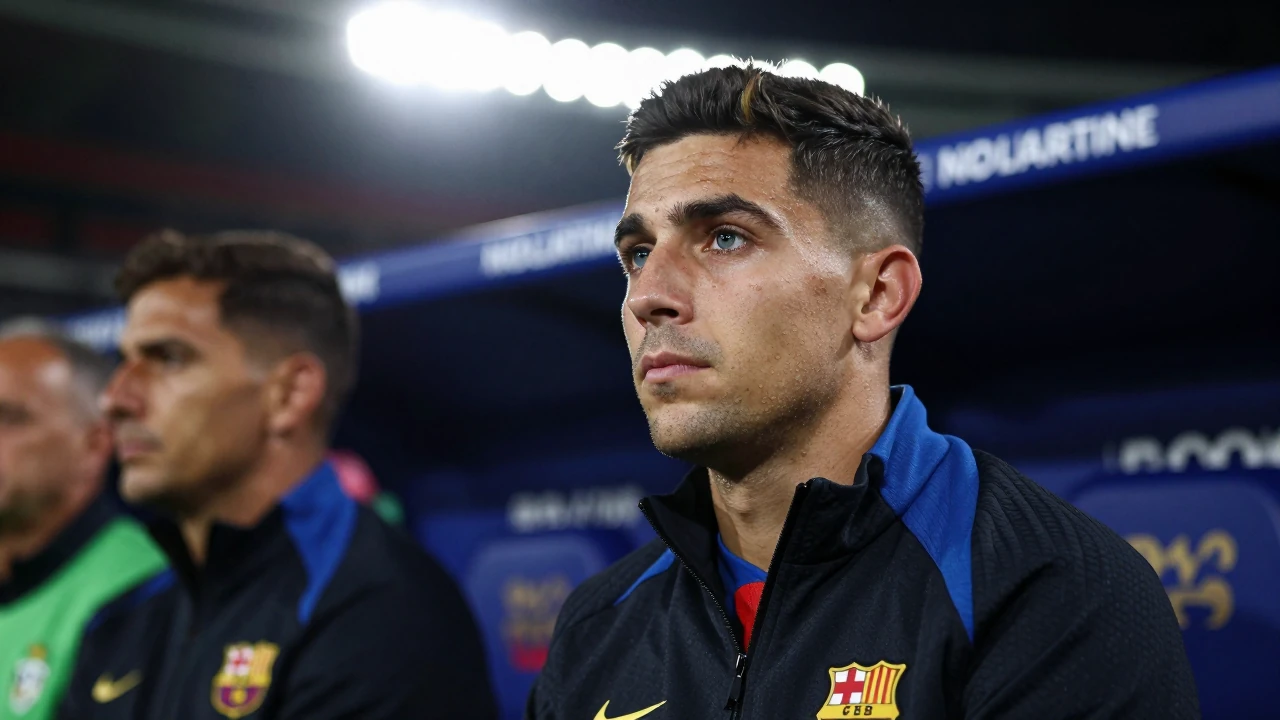
Marc Guiu's transfer to RB Leipzig has produced extra income for FC Barcelona. The 20-year-old striker, a product of La Masía, became a new player for the German club this Tuesday in a deal worth 17 million euros, as reported by journalist Jordi Batalla in Mundo Deportivo.
RB Leipzig paid that fee to Chelsea, the club that signed Guiu in the summer of 2024. However, FIFA regulations stipulate that a portion of any transfer must go to the clubs that trained the player during his formative years. This solidarity mechanism obliges the buying club to share 5% of the transfer fee with teams that trained the player between ages 12 and 15, and an additional 10% with those that did so between 16 and 23.
How much money does Barcelona receive?
Marc Guiu played in FC Barcelona's youth academy from age 7 to 18. This extensive period of training at La Masía grants the Catalan club financial rights over the operation. The calculation is straightforward: Barcelona is set to receive an extra 425,000 euros from Guiu's latest move.
This amount adds to the 6 million euros the club collected when the striker was sold to Chelsea two years ago. In total, operations related to Marc Guiu have brought Barcelona approximately 6.42 million euros. It's not an isolated case. In this transfer window alone, the club has received 3.42 million euros in training compensation for other academy graduates: Nico González, Marc Cucurella, and Sergi Altimira.
What is the sporting context for this income?
This financial benefit arrives during a period of strong sporting performance for the first team. FC Barcelona leads La Liga with 9 points, thanks to three wins in three matches. Their current form (WWW) is flawless and their goal difference is overwhelming: 12 goals scored and only 2 conceded, for a +10 differential. You can follow the complete standings on our league table page.
Hansi Flick's team has started the season with notable force, displaying highly effective attacking play. This positive momentum will be tested in the next away fixture at Mestalla, where Barça will face Valencia on September 6th. The Che team, currently 16th, will be a tough opponent at home. All information on upcoming matches is available on our fixtures calendar.
How does the solidarity mechanism work?
FIFA's regulations are designed to compensate training clubs, recognizing their investment in developing young talent. It is a system that rewards the work of youth academies. When a player is transferred, the club receiving the payment must calculate and distribute the corresponding percentages to each of his former teams during the training years.
For Barcelona, accustomed to seeing academy players leave, it has become a recurring and predictable income stream. Every operation involving a former Blaugrana activates this mechanism, generating small or large sums that aid the club's financial sustainability. Managing these rights is another part of modern football's complex administration.
The next challenge for Barcelona is the match against Valencia, scheduled for Sunday, September 6, 2026. A victory there would allow the team to maintain its advantage at the top of the table.